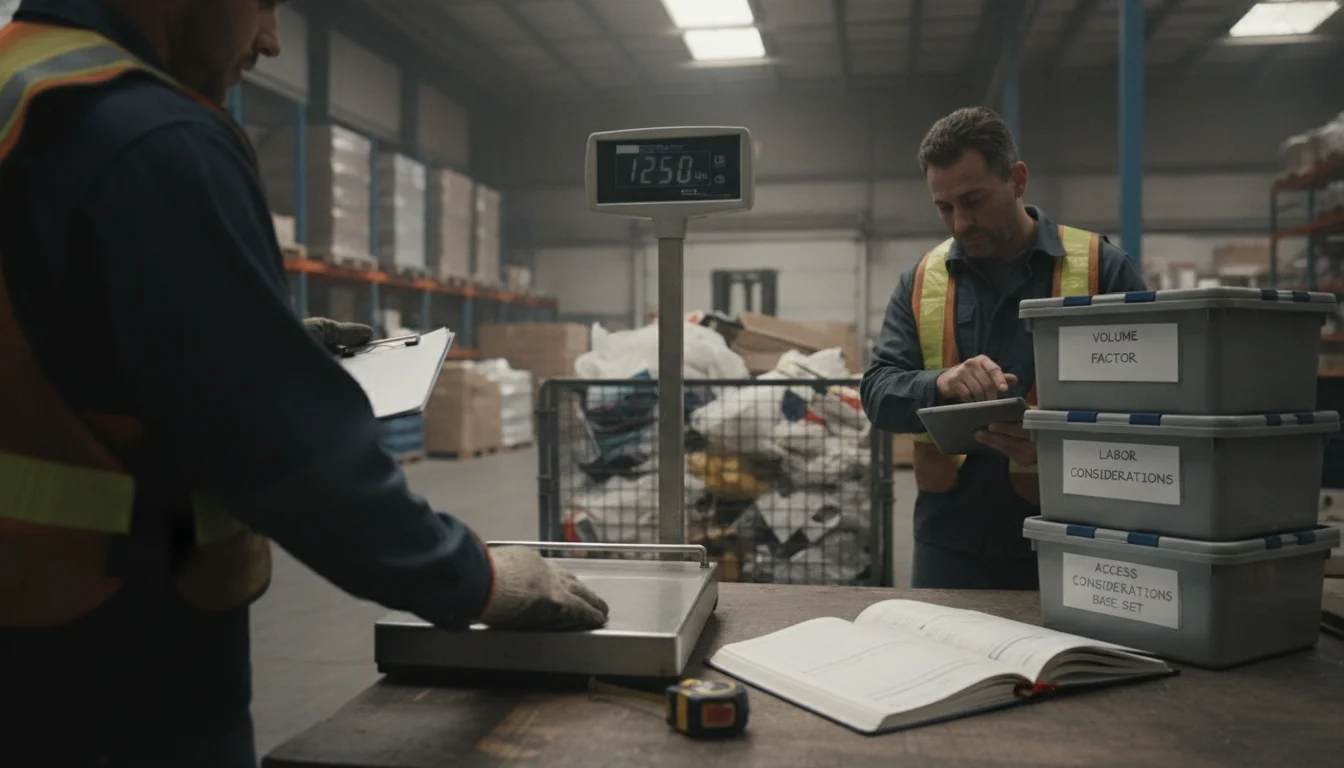
A warehouse cleanup service covers a pre-job walkthrough, a defined scope, safe dismantling, organized loading and hauling, recycling streams, regulated-waste handling, and a broom-clean finish with sign-off—plus simple documentation. In Cherry Hill, this lets operations continue with minimal disruption while the floor is cleared and ready for the next shift.
A warehouse cleanup service includes a site walk, a clear scope, safe teardown, loading, hauling, recycling, and a final sweep with sign‑off. It also covers documentation for items removed and any regulated waste handled. Teams plan around your hours to limit downtime and leave the floor clean and ready.
Looking for a simple plan to clear pallets, racks, and bulky junk without halting work in Cherry Hill? This guide breaks down how pros do it, step by step.
Table of Contents
- What does a warehouse cleanup service include from start to finish?
- How do professionals handle pallets, racking, and bulky debris?
- What equipment and safety standards are used on commercial sites?
- Can a warehouse cleanup service manage hazardous or e-waste properly?
- How is pricing calculated and what affects the final cost?
- What scheduling options minimize downtime for operations?
- How should you prepare your facility before the crew arrives?
- Frequently Asked Questions
- Key takeaways
- Conclusion
What does a warehouse cleanup service include from start to finish?
A full service starts with a pre-clean walkthrough. The crew manager checks access points, dock heights, floor layout, and safety requirements. They clarify what stays and what leaves, then define a load path and staging zones. This fast planning step helps the job run efficiently and safely from the first cart to the last sweep.
Next is the scope. The scope lists covered areas, item categories, and any add-ons. Typical items include rack dismantling, pallet stack removal, loose shrink wrap, obsolete conveyors, and scrap metal. Data needs are captured too—load logs, photos, or an e-waste certificate as required. The team confirms start time and crew size.
Work proceeds in zones. Pros lock down a small area, tag items, and begin breakdown. Pallets are stacked to spec. Loose trash moves to collection carts. Metals get staged together. Cardboard gets its own stream. Bulky items are cut down or unbolted. The aim is to open safe lanes and eliminate trip hazards as they go.
Loading follows a plan. High-volume materials are loaded first. Dense items ride low and tight; lighter items top off the load. Dock turns are kept brisk. Trucks cycle so staging space stays open. If docks are busy, crews pivot to box trucks or run smaller, faster cycles.
After removal, the final sweep begins. Floors are broomed, and corners, under-rack areas, and dock wells are checked. The manager walks the site with you for sign‑off. You receive concise documentation—such as load photos, a materials list, and any regulated-waste records.
Pre-clean walkthrough and scope
This brief huddle locks in goals, roles, and risk controls. It cuts uncertainty and shaves minutes off every step on cleanup day.
Final sweep, sign-off, and documentation
You confirm completion standards on the walkthrough. Clear records make audits, lease requirements, or sustainability reporting straightforward.
How do professionals handle pallets, racking, and bulky debris?
Pros begin by sorting materials. Wood pallets stack by grade; broken units move to wood recycling or fuel partners. Plastic pallets enter plastics streams. Metal racking and wire decking are staged for scrap. Separating early reduces landfill volume and accelerates loading.
For racking, crews dismantle in a set sequence. Beams come down with pins pulled; uprights are braced and lowered under control. Anchors are removed. Each move prioritizes safety. Parts are banded, then staged for reuse or scrap. Shelving follows a similar, controlled process.
Bulky gear—conveyors, tables, mezz components—is dismantled methodically. Teams deploy impact tools and guarded saws. Sharp edges get protected with caps. Heavy pieces are strapped to dollies to prevent shifts. Cones and tape maintain a clear load path.
Loading stays organized. Wood stacks with wood, metal with metal. Loose wrap and film are bagged to contain flyaway debris. Crews keep regulated materials separate from general waste. When docks are at capacity, side doors or ramp plates keep loads moving. Mats protect epoxy or polished floors under heavy wheels.
Recycling streams keep waste down. Cardboard bales, stretch film, and banding get bundled. Metals head to scrap markets. Usable pallets may be resold or donated. E-waste remains segregated for specialized processing.
Safe dismantling and material separation
Dismantling in a crowded aisle raises risk. Teams relocate items to a safe zone, then take them apart and sort by material for faster recycling.
Loading, transport, and recycling streams
Loads are planned for weight, route, and turn time. Recycling is documented so you can report diversion rates with confidence.
What equipment and safety standards are used on commercial sites?
Pros follow OSHA standards—the federal workplace safety rules. Crews wear PPE (personal protective equipment): hard hats, hand and eye protection, safety shoes, and high‑visibility vests to stand out in busy aisles.
Forklifts and pallet jacks move bulk material. Only qualified operators run powered equipment, and each lift is inspected before use. Aisle widths are respected, and loads stay within posted rack and equipment limits.
Cutting tools run with guards and dust control. Power cords are taped and routed safely. Ladders and mobile stairs are inspected before use. Potential fall areas are marked. Emergency exits remain unobstructed. When fluids are present, spill kits are staged within reach.
Access management is crucial on large sites. Dock levelers are inspected, and wheel chocks are set before loading. Where docks are tight, teams use ramps or lift gates. Floor protection safeguards epoxy or polished concrete. For overhead removal—signs, conduit, or utilities—scissor lifts provide stable reach.
Communication reduces incidents. Radios keep the team synced. A spotter guides lift movements, especially when reversing or turning. Clear hand signals cut through ambient noise. A daily huddle aligns goals, work zones, and stop times.
OSHA-compliant practices and PPE
Adhering to OSHA and using the right PPE lowers risk and supports insurance and audit requirements across Cherry Hill facilities.
Heavy machinery and access solutions
Forklifts, scissor lifts, and mobile ramps accelerate work while protecting docks, floors, and inventory in active aisles.
Can a warehouse cleanup service manage hazardous or e-waste properly?
Yes—when handled by trained crews. Hazardous waste refers to materials that can harm people or the environment, such as certain chemicals, paints, aerosols, and batteries. E-waste includes obsolete electronics and IT equipment that need special stewardship. The EPA explains electronics donation and recycling options.
Pros start with identification. They review Safety Data Sheets (SDS) when requested, check labels on drums and cans, and isolate batteries, fluorescent lamps, and devices with screens. Liquids are inspected for leaks and stored upright.
When e‑waste is present, it’s packed by type. Hard drives are removed for wiping or shredding per your policy. Devices get stacked in lined bins and move to a certified recycler. You can request a certificate of recycling or destruction for records.
Hazmat items follow rules for storage, labeling, and transport. Drivers carry appropriate documentation for regulated loads. The U.S. DOT details required shipping papers at DOT Hazmat Shipping Papers.
Documentation matters. Auditors, landlords, or corporate sustainability teams may require proof. Solid providers supply load photos, weight tickets when available, and vendor receipts, all tied to your cleanup date and dock location.
Identifying regulated materials
Teams tag suspect items early, keep them segregated, and record them in the scope so nothing slips into general debris.
Certified disposal and required records
Vetted partners perform final processing. You receive straightforward paperwork to close the loop and satisfy compliance.
How is pricing calculated and what affects the final cost?
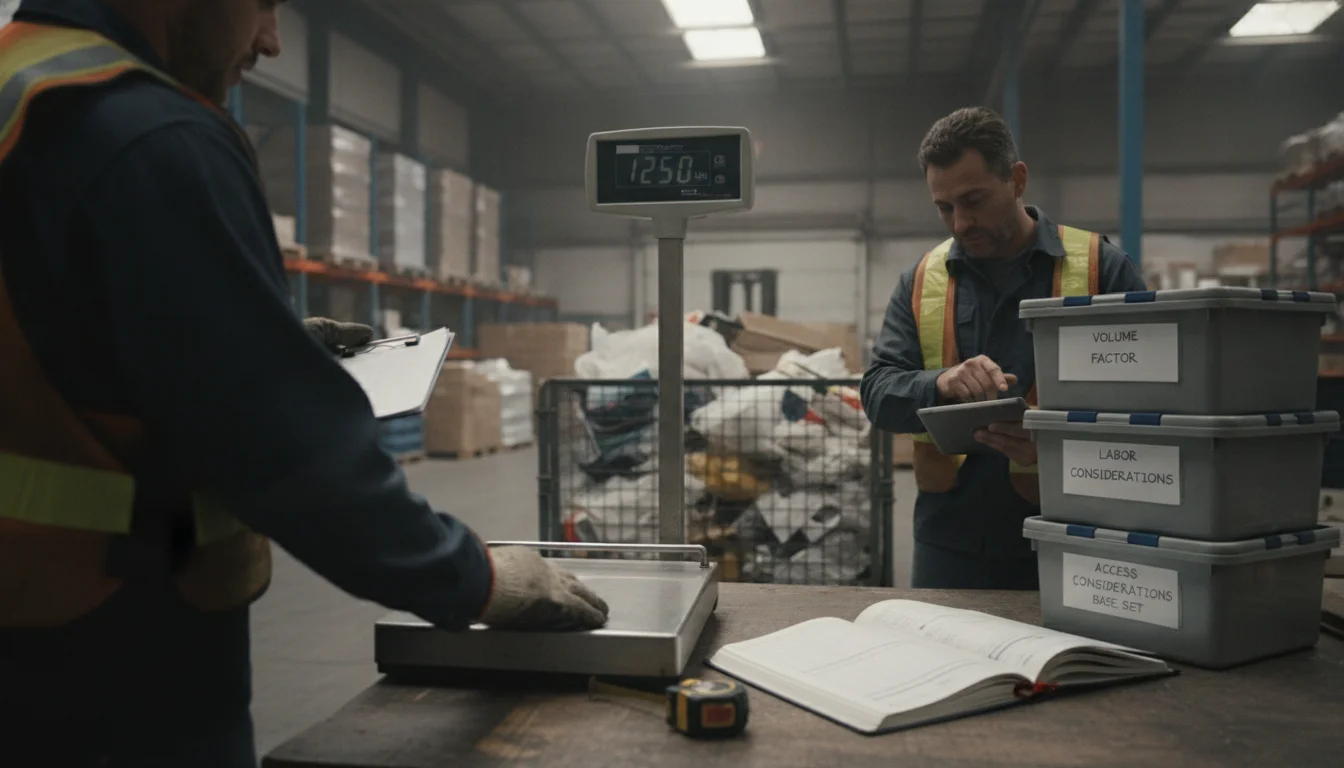
Cleanup pricing depends on volume, labor, and access. Volume refers to how much space debris occupies in a truck or container. Labor is the crew time for moving, dismantling, and loading. Access covers dock availability, elevator time, stairs, and the travel distance from work zones to the truck.
Material mix affects cost. Pallets, racking, and metals can reduce disposal fees via scrap value. Loose mixed trash is typically more expensive to dump. E-waste and hazardous materials require specialized handling, increasing time and third‑party vendor charges. Compressed timelines, after-hours work, or extensive security procedures can also add cost.
Site rules shape the plan. If property management limits truck size or load-out hours, more truck cycles may be needed. If escorts are required, crews may split into smaller teams. Weather can slow outdoor staging. Good providers plan for these realities so surprises are minimal.
Confirm how loads are measured. Some teams use truck fractions; others price by item or by zone. Dense jobs may be measured by weight where scales are practical. Your provider should explain their approach and how you can verify it.
Volume, labor, and access factors
These core drivers set the baseline. Materials, timing, and site rules move the number up or down.
Line items you should expect on a quote
- Project scope and areas covered
- Crew size and expected hours
- Equipment included (lifts, carts, PPE)
- Material streams and disposal partners
- Scheduling notes and access plan
- Documentation to be provided
What scheduling options minimize downtime for operations?
Pros tailor plans to your shift calendar. Many projects run after-hours or on weekends so lanes stay open and loads move quickly. Phased work allows part of the floor to stay live while one zone is cleared. Signs and cones clearly mark work areas versus active traffic.
If you must remain open, teams stage compactly. They close a single aisle, clear it, then reopen it before moving to the next. Coordination with your dock team is continuous. When a carrier hits the dock, loading pauses; when the dock frees up, outbound loads resume.
Busy facilities need added checks. Daily coordination sets targets and stop times. Radios keep supervisors in sync. If a carrier blocks an approach, crews shift to a side door or lift gate. Box trucks step in where tractors can’t.
Some operations use a night/day handoff. Day crews tag and pre-stage; night crews load and haul. Shared notes and photos keep the plan on track across shifts.
After-hours and phased cleanouts
Work during quiet periods. Use zone-by-zone plans so your operation continues safely and efficiently.
Coordination with facility and carriers
Share dock windows and live-load times. Align breaks and truck cycles to keep freight moving without stalls.
How should you prepare your facility before the crew arrives?
Good prep speeds the job and reduces risk. Start with a clear keep/remove plan using visible tags or tape. Green means keep; red means remove. Flag fragile or time‑sensitive items. Ask staff to avoid placing new stock in tagged zones.
Relocate live inventory out of travel lanes. Open a staging area near the dock. If you have a baler, bale cardboard ahead of time; if not, crews will bundle it. Make sure staff amenities remain available.
Share site rules early. Security steps, PPE requirements, and restricted areas help the crew integrate quickly. Arrange badges or escorts if needed. Appoint a single point of contact for decisions.
Survey docks and parking. Mark low clearances, tight turns, and no‑parking zones. Confirm lighting inside and out. Good light supports speed and safety.
Clear-to-keep vs. remove tagging
Simple, consistent tags eliminate guesswork and prevent accidental removal of critical equipment.
Site readiness checklist for a faster cleanup
- Tag keep/remove on racks, pallets, and gear
- Open clear paths from zones to the dock
- Reserve dock spots and set wheel chocks
- Share shift times and carrier windows
- Stage bins for cardboard, metal, and film
- Confirm badges, escorts, and site contacts
Frequently Asked Questions
Do junk removal companies take couches and office furniture from warehouses?
Yes. Crews remove couches, chairs, desks, and break room sets. They protect doors and floors, then load items by size. Many donate usable pieces and recycle metals. A warehouse cleanup service can include this as part of a larger clear‑out.
Where can I throw away big furniture from a commercial site?
Oversized items may not be accepted at regular dumpsters, depending on local rules. Use a commercial junk removal team or a transfer station that accepts bulky waste. Pros handle loading, transport, and disposal rules, so your staff can stay on core work.
Are there junk removal packages for entire facilities?
Yes. Many providers offer full cleanouts by zone or by building. Packages can include rack teardown, pallet stacks, electronics, and loose debris. They also plan after‑hours work and dock schedules so your operation keeps moving.
How do I get rid of old electronics and IT gear?
Keep e‑waste separate. Remove or wipe hard drives per your policy. Pack devices in lined bins. An e‑waste recycler can handle the chain of custody and provide a certificate.
Where do I take tree branches or pallets near me?
Tree branches go to green waste or city drop‑off sites. Pallets can be recycled, resold, or chipped. A local team in Cherry Hill can pick them up and sort them by grade as part of a scheduled service.
Key takeaways
- Plan the pre-walk. A clear scope speeds work and reduces risk.
- Separate early. Pallets, metals, and cardboard move faster when pre-staged.
- Work safely. Follow OSHA rules, use PPE, and protect docks and floors.
- Handle special waste correctly. Use trained partners for e-waste and hazmat.
- Schedule around operations. After-hours or phased plans keep your floor productive.
Conclusion
Cherry Hill NJ Junk Removal works across Cherry Hill every week to clear pallets, racking, and bulky debris with safe, efficient plans. Cherry Hill NJ Junk Removal can also coordinate Commercial Junk Removal, Construction Debris Removal, Appliance Removal, Estate Cleanout, and Shed Removal & Demolition to support your broader facility needs. Contact us to schedule a warehouse cleanup that fits your hours and keeps operations moving.
If you are not sure which of these you are dealing with, it is worth having someone look at it before it turns into a bigger job. Get in touch with Cherry Hill NJ Junk Removal today and we will tell you where you stand.